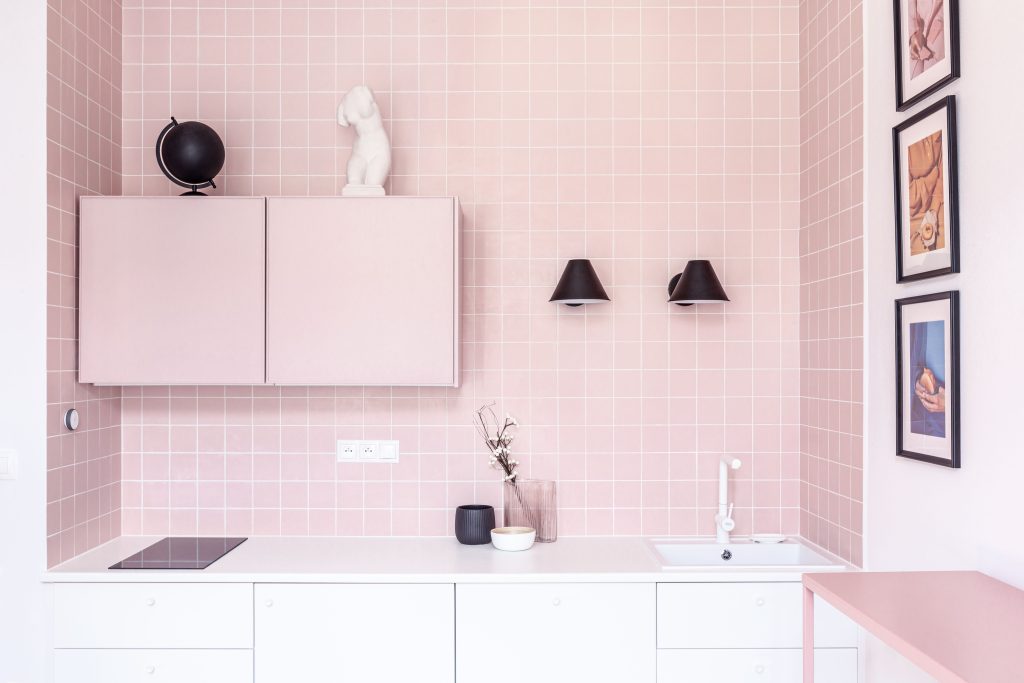
Kitchen Wall Decor Ideas That Make Blank Walls Stand Out
Key Takeaways
- Use gallery walls, oversized artwork, or decorative plates to turn empty kitchen walls into attractive focal points.
- Install floating shelves to combine decorative displays with useful storage while keeping the arrangement uncluttered.
- Add visual interest with accent paint, wallpaper, wood treatments, or other textures that complement existing kitchen finishes.
- Consider practical wall decor such as clocks, message boards, hooks, pegboards, and racks for added function.
- Bring plants and herbs into the kitchen to introduce natural color and soften hard surfaces.
- Choose wall decorations that match the size, colors, and overall style of the kitchen.
- Leave some walls and surfaces open so the room feels balanced rather than crowded.
Kitchen walls are often overlooked when decorating a home. Cabinets, appliances, countertops, and flooring usually get most of the attention. However, a large blank wall can make even a finished kitchen feel incomplete.
The right wall decor can add color, texture, personality, and warmth without requiring a major renovation. You can use artwork, shelves, paint, mirrors, or practical storage to turn an unused wall into an attractive part of the room.
Before decorating, consider the size of the wall, the kitchen’s existing colors, and how much open space you have. Decorations should complement the room instead of making it feel crowded. The following ideas can help you make blank kitchen walls stand out while keeping the space practical.
1. Create a Gallery Wall
A gallery wall can turn a large empty surface into a personal focal point. Instead of hanging one oversized piece, combine several smaller pieces to create a collection that fits your style.
Kitchen gallery walls can include more than traditional artwork. Family photos, food illustrations, vintage advertisements, botanical prints, and meaningful postcards can all work together.
Consider including:
- Framed photographs
- Food or botanical prints
- Vintage kitchen artwork
- Small illustrations
- Decorative signs
Before making holes in the wall, arrange the frames on the floor or use paper templates to test the layout. Keep spacing fairly consistent so the display feels intentional rather than random.
2. Install Floating Shelves
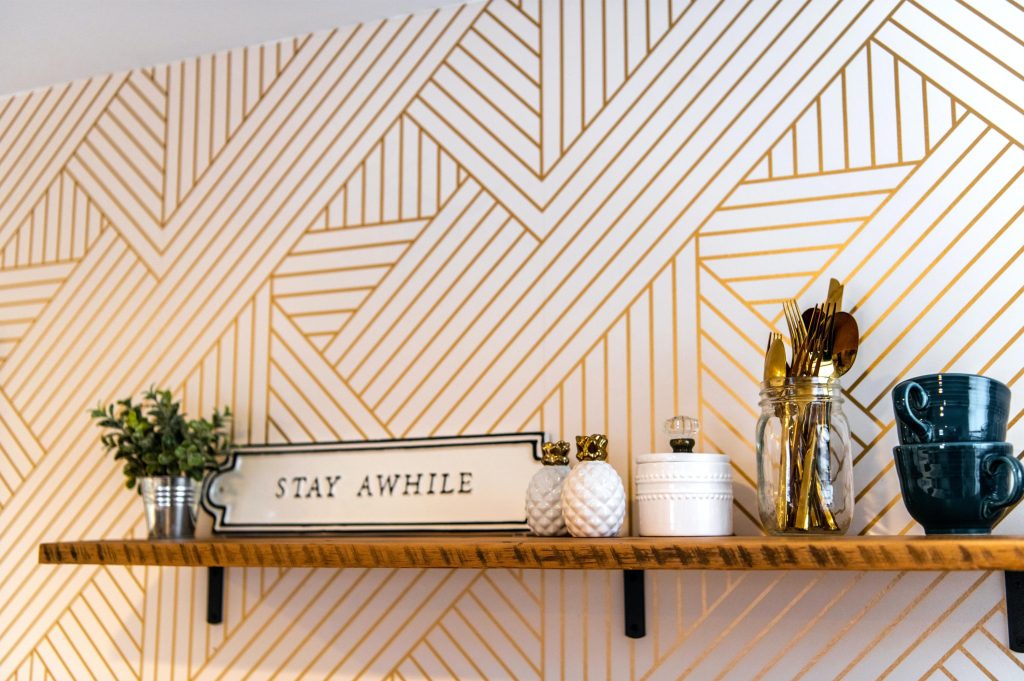
Floating shelves combine decoration with useful storage. They work especially well on walls that feel empty but do not have enough room for another cabinet.
Use shelves to display attractive dishes, cookbooks, plants, framed artwork, or decorative containers. Avoid filling every inch because some open space helps the arrangement look cleaner.
Good items for open shelves include:
- Cookbooks
- Ceramic bowls
- Small plants
- Framed prints
- Attractive glassware
Choose shelf materials and finishes that coordinate with your cabinets, counters, or flooring. Shelves should also be securely attached to suitable wall supports, especially when holding heavy kitchen items.
3. Add One Large Piece of Artwork
You do not need multiple decorations to make a blank kitchen wall interesting. One large piece of artwork can create a strong focal point while keeping the room visually simple.
Choose artwork that complements the colors and mood of your kitchen. Abstract art can add color to a neutral room, while landscapes, food illustrations, or simple graphic prints can create a more traditional look.
When selecting artwork, think about:
- Wall dimensions
- Existing kitchen colors
- Frame style
- Viewing distance
- Nearby furniture
Avoid choosing a piece that is too small for a large wall. Artwork should feel proportional to the surrounding space without covering nearly the entire surface.
4. Use Decorative Plates as Wall Art
Decorative plates can add shape, pattern, and color to kitchen walls. They are especially useful when you want something different from standard framed artwork.
You can create a collection using vintage plates, handmade ceramics, family pieces, or coordinated designs. A matching set creates a more formal look, while mixed patterns can feel casual and collected.
When creating a plate display:
- Mix different sizes
- Choose related colors
- Plan the arrangement first
- Use secure plate hangers
- Leave consistent spacing
Make sure each plate is properly secured. Kitchens are active spaces, so wall decorations should not be positioned where they can easily be bumped or knocked down.
5. Paint an Accent Wall
Paint is one of the simplest ways to change a blank kitchen wall. A different color can create a focal point without adding objects or taking up physical space.
Choose a shade that works with your cabinets, countertops, backsplash, and flooring. Deep colors can add drama, while softer shades may create a calm and welcoming appearance.
Popular directions include:
- Warm neutrals
- Muted greens
- Deep blues
- Earthy tones
- Soft contrasting shades
Consider how natural and artificial light affects the color throughout the day. Testing a sample on the actual wall can help you avoid choosing a shade that looks very different once applied.
6. Bring Texture to the Wall
Color is not the only way to make a wall more interesting. Texture can add depth and character, especially in kitchens with simple cabinets and smooth surfaces.
Wood panels, decorative molding, beadboard, or other wall treatments can create visual interest without relying on artwork. The right treatment can also help connect the kitchen to nearby rooms in an open floor plan.
Textured walls can work particularly well in modern living spaces, where natural materials and simple architectural details can soften clean lines and hard surfaces.
Before installing a wall treatment, consider how easy it will be to clean. Kitchen surfaces may be exposed to moisture, grease, and food splashes, so materials should be suitable for the location.
7. Add a Large Wall Clock
A wall clock can be both decorative and practical. It works especially well on a wall that needs one noticeable feature but does not require additional storage.
Choose a clock that fits the size of the wall. A tiny clock may disappear visually on a large surface, while an oversized design can overwhelm a narrow area.
Consider clock styles such as:
- Minimalist designs
- Vintage-inspired clocks
- Wood finishes
- Metal frames
- Simple modern faces
Place the clock where it can be easily seen without interfering with cabinets or doors. Make sure it is mounted securely and remains accessible when the battery needs replacement.
8. Display Cutting Boards and Kitchen Tools
Some everyday kitchen items are attractive enough to become decorations. Wooden cutting boards, serving boards, copper pans, and other tools can bring warmth and texture to a wall.
This approach works particularly well in smaller kitchens because it combines storage and decoration. Items you use regularly remain accessible instead of taking up cabinet space.
Possible items to display include:
- Wooden cutting boards
- Serving boards
- Copper cookware
- Attractive utensils
- Decorative baskets
Avoid hanging too many items in one area. Select pieces that look good together and leave enough space between them to prevent the wall from feeling cluttered.
9. Create a Chalkboard or Message Wall
A kitchen wall can also serve a practical purpose. A chalkboard, dry-erase board, or framed message board gives household members a place to write reminders, shopping lists, meal plans, or notes.
Instead of covering the entire wall, you can use one framed board or designate a smaller section. This keeps the feature contained and prevents the kitchen from looking too busy.
Use the area for:
- Grocery lists
- Weekly menus
- Family reminders
- Short notes
- Household schedules
Place the board somewhere convenient but away from areas where food preparation could make it difficult to keep clean. Regularly erase old information so it remains useful.
10. Bring Greenery Into the Kitchen
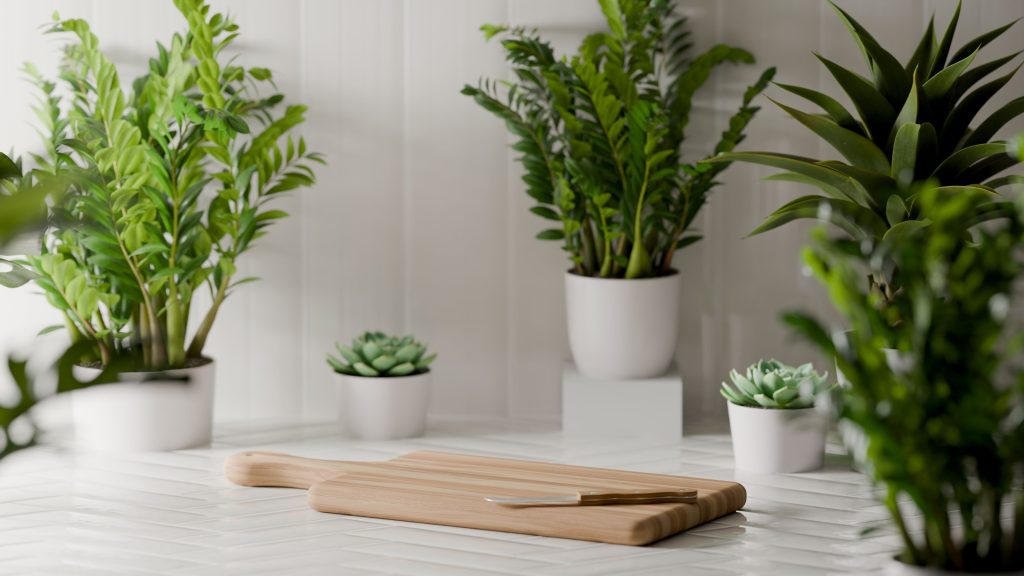
Plants can soften hard kitchen surfaces and introduce natural color. A blank wall near a window may provide a good location for wall-mounted planters, shelves, or hanging plants.
Herbs can be especially useful because they combine decoration with cooking. However, plants should be chosen according to the amount of sunlight available.
Kitchen-friendly options may include:
- Small herbs
- Trailing plants
- Compact houseplants
- Wall-mounted planters
- Small succulents where conditions are suitable
Remember that plants require maintenance. Consider watering needs and make sure containers do not allow moisture to damage the wall or nearby surfaces.
11. Use Mirrors to Reflect Light
Mirrors are less common in kitchens than in living rooms or bedrooms, but they can work well when used thoughtfully.
A mirror can reflect natural light and make a smaller kitchen feel more open. Decorative frames can also add character to a plain wall.
When choosing a mirror, consider:
- What it will reflect
- Nearby windows
- Wall size
- Frame material
- Ease of cleaning
Avoid positioning a mirror where it constantly reflects clutter or cooking messes. Place it where the reflection improves the room, such as across from a window or attractive dining area.
12. Turn a Wall Into Practical Storage
Wall decor does not have to be purely decorative. In a small kitchen, a blank wall can provide valuable storage.
Pegboards, rails, hooks, narrow shelves, and wall-mounted racks can keep frequently used items accessible while adding visual interest.
You might store:
- Cooking utensils
- Mugs
- Small pans
- Towels
- Measuring tools
- Lightweight baskets
Keep the arrangement organized rather than filling every available hook. Too many visible items can make the kitchen feel cluttered, especially when countertops are already busy.
13. Add Wallpaper for Pattern and Color
Wallpaper can turn a plain wall into a strong design feature. It is available in styles ranging from subtle textures to bold patterns.
A single wallpapered wall may provide enough visual interest without overwhelming the kitchen. Removable wallpaper can also be useful for homeowners who want a less permanent option.
When choosing wallpaper, consider:
- Pattern scale
- Kitchen colors
- Wall dimensions
- Moisture exposure
- Cleaning requirements
Select a product suitable for the area where it will be installed. Walls near sinks and cooking surfaces may require materials that can handle more moisture and cleaning.
14. Decorate the Space Above a Dining Nook
If your kitchen includes a breakfast nook or small dining area, the wall above it provides a natural place for decoration.
Artwork, shelves, a mirror, or a gallery arrangement can visually define the dining space. The decor can be slightly different from the main kitchen while still sharing similar colors or materials.
Good options include:
- One large framed print
- A small gallery wall
- Floating shelves
- A decorative mirror
- Wall-mounted lighting
Position decorations high enough that people sitting at the table will not bump them. Keep the scale balanced with the size of the table and surrounding furniture.
15. Keep the Overall Design Balanced
The goal of wall decor is not to cover every empty surface. Some blank space helps a kitchen feel open and allows your favorite decorations to stand out.
Step back and look at the entire room before adding more pieces. If countertops, shelves, and cabinets already contain many visible items, simple wall decor may be the better choice.
For a balanced look:
- Repeat a few colors or materials
- Avoid decorating every wall
- Mix practical and decorative pieces
- Leave some open space
- Keep displays easy to clean
You can also edit your decorations over time. Removing one or two pieces may improve the room more than adding another item.
Make Kitchen Walls Part of the Design
Blank kitchen walls offer more decorating opportunities than they may seem to at first. Artwork, floating shelves, plates, paint, wallpaper, mirrors, plants, and practical storage can all turn unused surfaces into meaningful parts of the room.
Start by considering what your kitchen actually needs. A small kitchen may benefit from wall-mounted storage, while a larger room might need artwork or an accent wall to make it feel warmer. Decorative choices should support the way you use the room rather than interfere with cooking or cleaning.
Keep these basic ideas in mind:
- Match decor to the scale of the wall
- Coordinate colors with existing finishes
- Leave enough open space
- Secure wall-mounted items properly
- Choose surfaces that are easy to maintain
You do not need to decorate every wall at once. Begin with one blank area and experiment with a solution that fits your style and budget. A thoughtful wall display can add personality and visual interest without requiring a complete kitchen renovation.
By balancing decoration with function, you can make your kitchen feel more complete while keeping it comfortable and practical for everyday life.